
Live one-to-one recitation · Teacher-led assessment
Tajweed Ijazah Course Online: Earn Your Ijazah in Quran Recitation
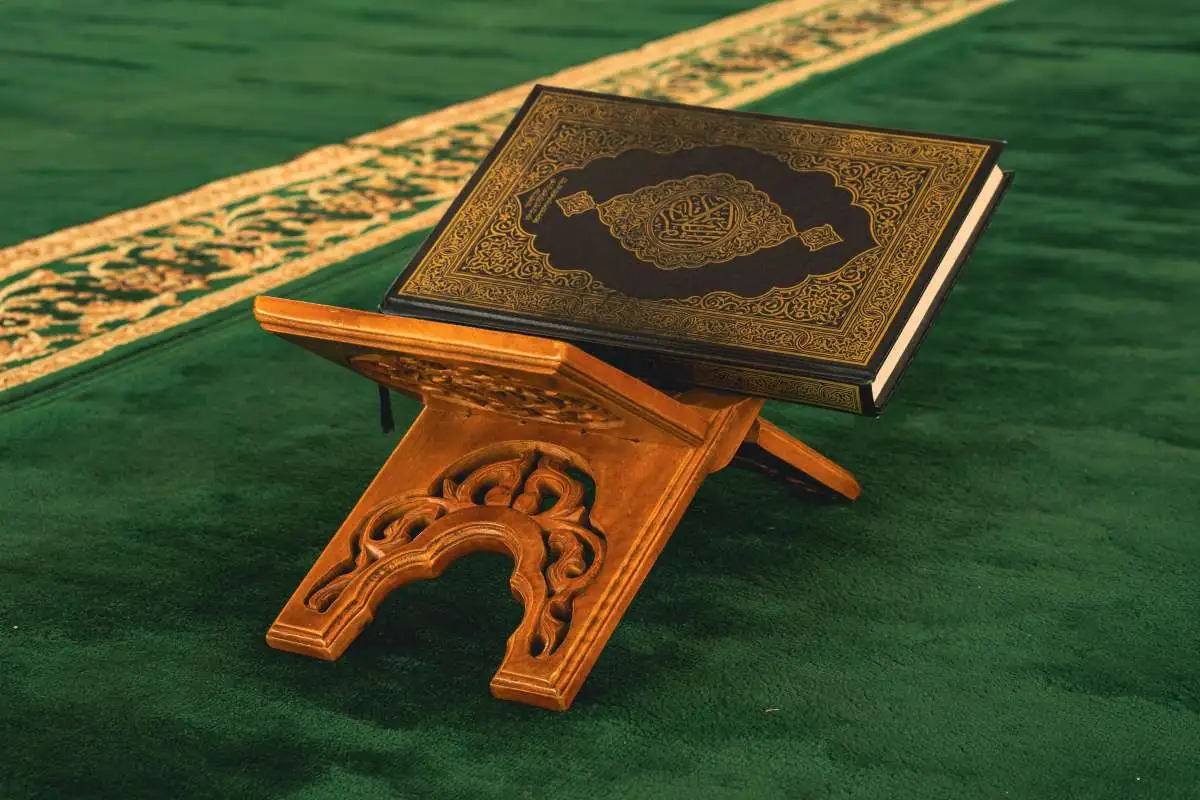
Accurate Quran recitation carries a serious responsibility. Transmitting that recitation through a recognized scholarly chain requires an even higher standard.
Al Hasan Quran Academy’s Tajweed Ijazah course is for fluent readers ready for close correction, complete recitation, and formal authorization. You study one-to-one with a qualified teacher who listens to every passage and addresses errors before they become established habits.
Complete an initial recitation assessment with our team.
Understand the authorization
What Is an Ijazah in Quran Recitation?
An Ijazah in Quran recitation is formal authorization from a qualified teacher who has heard and approved a student’s recitation. It records the recitation route and connects the student to an established chain of teachers. That chain continues through generations of Quran reciters.
The Arabic word Ijazah refers to permission or authorization. In Quran recitation, the granting teacher confirms that the student has met the required standard. The teacher then permits that student to transmit the same recitation according to the stated route.
This differs from an online Tajweed course, which teaches rules and correct application. It also differs from an online Tajweed course with certificate that records attendance or course completion.
An Ijazah depends on direct recitation to an authorized teacher. The certificate documents that teacher-to-student relationship.
Your starting point
Is This Tajweed Ijazah Course Right for You?
This course suits readers who can recite Quranic text fluently and already apply the main Tajweed rules. You do not need flawless recitation before joining. Your foundation must be strong enough for advanced correction and sustained reading.
Your Initial Recitation Assessment
During the initial assessment, the teacher listens for fluency, Makharij, letter characteristics, vowel control, Madd, Ghunnah, and stopping choices. The assessment shows whether you can enter Ijazah preparation immediately.
Some students need focused Tajweed work first. In that case, the teacher may recommend further study before beginning the formal recitation route. This recommendation prevents repeated correction of foundational errors across the entire Quran.
Arrange Your AssessmentChoose your recitation path
Ijazah in Tilawah, Hifz, Hafs, and Other Qira’at
For a tajweed ijazah course, the correct path depends on how you will recite and which transmitted route you intend to complete.
Ijazah in Tilawah
An Ijazah in Tilawah normally requires the student to recite the complete Quran from the Mushaf. The teacher checks Tajweed, pronunciation, fluency, and stopping throughout the recitation.
Complete memorization is unnecessary for this path. The student must still read confidently without frequent hesitation or dependence on correction.
Ijazah in Hifz
An Ijazah in Hifz requires complete recitation from memory. The teacher checks memorization alongside Tajweed and recitation accuracy.
Students preparing for this route can use our online Quran memorization classes to revise weak portions and build consistent recall.
Hafs an Asim and Other Routes
Many students pursue authorization in Hafs an Asim. Students seeking Warsh an Nafi or another Qira’ah need a teacher authorized in that specific transmission.
Route availability depends on the qualifications of the granting teacher. Confirm the required route during your assessment before beginning formal recitation.
Direct study with a qualified teacher
Learn With Ijazah-Certified Quran Teachers
The granting teacher forms the central relationship in an Ijazah. Academy branding cannot replace the teacher’s own authorization and ability to assess recitation.
Al Hasan Quran Academy matches accepted students with teachers suited to their recitation goal. The chosen teacher listens closely, records recurring weaknesses, and checks whether earlier corrections remain stable.
From assessment to final evaluation
How the Online Ijazah Course Works
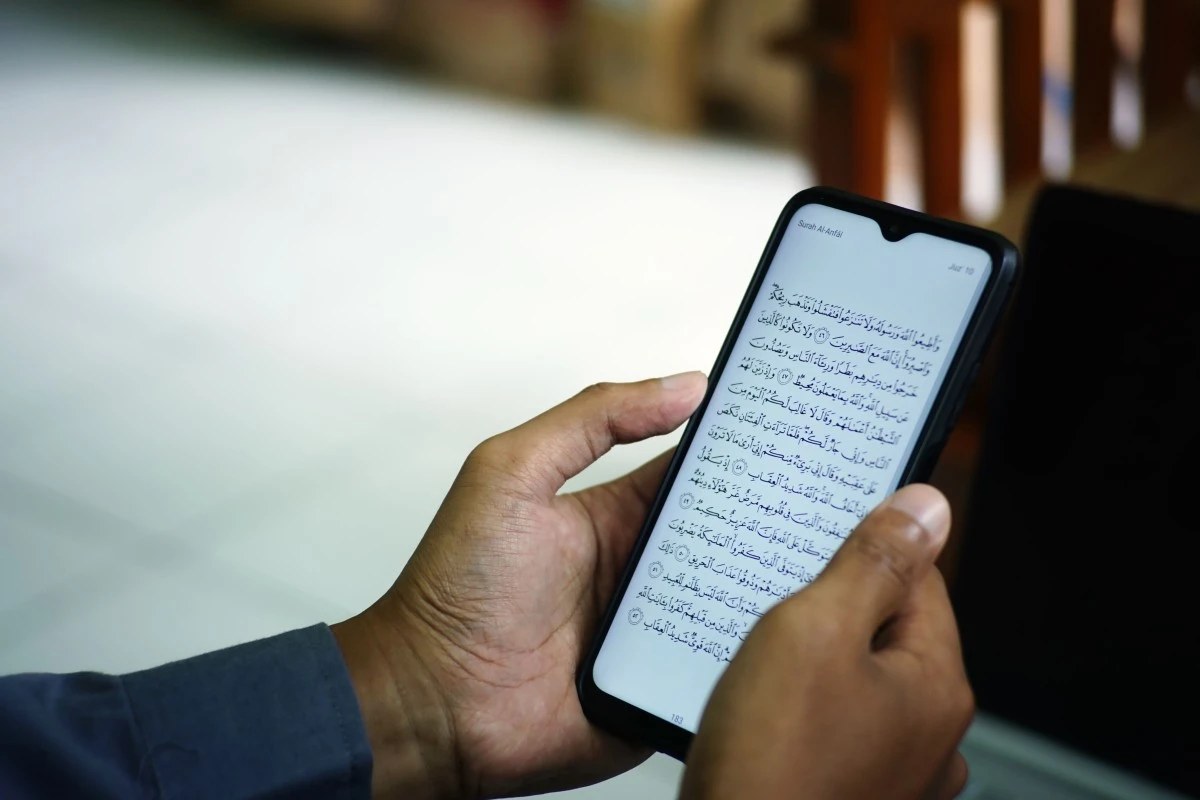
Students who want to learn Ijazah Quran online still need direct oral study. Live lessons preserve the essential process because the teacher hears the student in real time.
Initial Recitation Assessment
The teacher listens to selected passages and identifies your current level. You receive a recommendation for Ijazah preparation or additional Tajweed study.
Personal Recitation Plan
In the Tajweed Ijazah course, your recitation plan reflects your route, current accuracy, practice time, and recitation goal. It sets the lesson sequence without promising an artificial completion date.
Guided One-to-One Recitation
You recite directly to the teacher during each lesson. The teacher stops errors, explains the cause, demonstrates the correct form, and listens to your repetition.
Practice Between Lessons
You repeat corrected passages and record the mistakes your teacher identified. Short, frequent practice tests whether the correct pronunciation remains stable without immediate prompting.
Bring persistent difficulties to the next live lesson. The teacher can compare your new recitation with earlier attempts and adjust the practice task.
Progress Reviews
Regular reviews during the tajweed ijazah course test whether corrections remain consistent in new passages. The teacher may return to earlier sections when a repeated pattern appears.
Completion and Final Evaluation
The required recitation continues until the teacher has heard the material for your chosen route. The teacher grants authorization only after you meet that route’s standard.
An Ijazah Quran online program should preserve these stages. Video lessons and recorded lectures may support study, but they cannot replace direct listening by the granting teacher.
Precision in every passage
Tajweed and Recitation Skills Assessed During the Course

Ijazah preparation tests applied recitation rather than memorized definitions alone. You must demonstrate the rules while reading connected Quranic passages.
The teacher may assess:
- accurate Makharij for each letter
- Sifaat and distinctions between similar sounds
- rules of Noon Sakinah, Tanween, and Meem Sakinah
- Madd lengths and consistent timing
- Ghunnah, Qalqalah, Tafkheem, and Tarqeeq
- correct Waqf and Ibtida choices
- fluency without avoidable hesitation
- the ability to recognize and correct recurring errors
Knowing a rule’s name cannot compensate for an incorrect sound. The student must apply each rule naturally wherever it appears.
During a tajweed ijazah course, longer recitation sessions test concentration and consistency. A reader may pronounce one passage accurately yet repeat old errors after fatigue. The course addresses that gap through continued observation and correction.
Progress at the right pace
How Long Does It Take to Earn an Ijazah?
The completion period depends on your starting level, chosen route, lesson frequency, and practice between sessions. A fixed promise would ignore differences between students.
A fluent reader with stable Tajweed may progress faster than someone carrying several established pronunciation habits. Hifz authorization may require additional time because the teacher must assess recall and recitation together.
Your initial assessment provides a better basis for planning. The teacher can then explain the likely workload and the corrections that need priority.
Steady practice matters more than rushing. Moving ahead before corrections become consistent usually creates more revision later.
Your next responsibility
Can You Teach Quran After Receiving an Ijazah?
An Ijazah may authorize its holder to transmit or teach the recitation named in the document. Its scope depends on the teacher’s wording and the route completed.
Strong recitation does not automatically produce strong teaching. A capable teacher must explain rules clearly, identify mistakes, demonstrate sounds, and correct students with patience.
If teaching is your goal, tell the instructor during your assessment. The tajweed ijazah course can then give attention to error recognition, explanation, and correction alongside your own recitation.
Schools and institutions may set separate employment or teaching requirements. Review those requirements before treating one certificate as a universal professional credential.
Questions before you begin
Frequently Asked Questions About Online Ijazah
What Is an Ijazah in Quran?
An Ijazah is formal authorization from a qualified Quran teacher who has assessed and approved a student’s recitation. It identifies the recitation or route completed and may document the connected sanad. The authorization reflects direct teacher-to-student transmission rather than attendance in a general course.
Must I Be a Hafiz Before Beginning?
No. You can pursue an Ijazah in Tilawah by reciting the complete Quran from the Mushaf with accurate Tajweed. An Ijazah in Hifz requires complete memorization because the student recites from memory. Your assessment determines which route matches your preparation and goal.
How Long Does a Tajweed Ijazah Course Take?
The duration varies according to your fluency, existing Tajweed, lesson frequency, practice, and chosen authorization. Students with stable recitation may progress sooner. Others need extra time to replace recurring errors. The initial assessment gives the teacher enough evidence to discuss a realistic study plan.
Can I Use My Ijazah to Teach Quran?
An Ijazah can authorize you to teach or transmit the recitation named by the granting teacher. Check the wording and scope of your document. Teaching still requires communication, error diagnosis, and lesson-management skills. Individual schools may require further qualifications before hiring Quran teachers.
Is an Online Ijazah Valid?
An online Ijazah can preserve direct teacher-to-student recitation when lessons happen live and the authorized teacher hears the required material. Validity depends on the teacher, sanad, assessment, and completed route. A prerecorded course or automatic certificate does not provide the same direct authorization.
What Is the Difference Between a Tajweed Certificate and an Ijazah?
A Tajweed certificate usually confirms that a student completed a course or assessment. An Ijazah records authorization from a qualified teacher within a specific recitation route. The difference lies in direct transmission, the granting teacher’s authority, and the documented scope of permission.
Take the first step
Begin With an Ijazah Readiness Assessment
Your first lesson should establish whether you are ready for formal Ijazah recitation and which route fits your goal. It should identify the exact corrections that stand between your current reading and the required standard.
Book your 7-day free trial with Al Hasan Quran Academy and begin with a live one-to-one tajweed ijazah course assessment.